
Revision summary
Toda: buffalo pastoralists; Kota: artisans and funeral musicians; Kurumba and Irula: forest producers and ritual-forest roles. Exchange was a hill jajmani of dairy, pots, tools, honey and ceremony. Rivers described Todas; Mandelbaum and Walker placed them in regional interdependence. Tea plantations, cash, schools and ST/FRA administration broke the closed circuit. Today they share markets and hostels more than ghee and pots.
Model answer
Copper italics in this answer — like this — are the key facts. Each one is unpacked in the Facts & figures rail.
Introduction
In the Nilgiri Hills, four named communities — Toda, Kota, Kurumba and Irula — once formed a small regional division of labour. W. H. R. Rivers’s The Todas (1906) made the Toda famous; later work by David Mandelbaum, Anthony Walker and Indian ethnographers placed them in a four-cornered exchange, not in a museum of buffaloes alone.
Body
Traditional interdependence
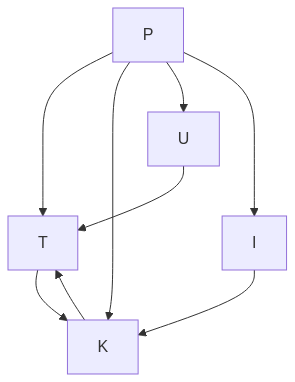
- Toda: pastoralists of the upper plateau, buffalo, dairies as sacred, patrilineal moieties, vegetarian dairy ritual. They received grain, pottery, music and forest goods; they gave buffalo products, ghee, and ritual status as the “highest” in the local ranking some colonial writers loved.
- Kota: artisans and musicians of the same plateau, smiths, potters, and players at Toda funerals. They took Toda dairy gifts and agricultural produce; they gave tools, pots and ceremonial service.
- Kurumba: forest specialists, sorcerers or ritual guardians in some accounts, collectors of honey and hill produce, watchers of fields. They mediated forest and plateau.
- Irula: also forest and foothill, snake-catching and shifting cultivation in later descriptions, suppliers of forest produce and labour.
- The pattern is a local jajmani of the hills: not the north Indian priest-king-peasant set, but pastoral, artisan, forest. Badaga agriculturists (not in the four names of the question, but in the same landscape) later became the grain power of the plateau, which already shows the system was never sealed.
Changes
British tea and wattle plantations took shola and grazing. Toda munds shrank; buffalo counts fell. Christian missions and the Arya Samaj, schools, and Tamil as the state language pulled Kota and Irula toward wage work. Kurumba and Irula entered FRA, ST lists and forest-department labour. Toda remain a small ST community with a strong tourist and heritage face; dairy ritual continues in shortened form.
Walker documented declining Kota service at Toda funerals. Cash, ration rice and town jobs replace ghee-for-pots. Intermarriage remains rare; interdependence is now market and state: the same PHC, the same plantation, the same reserved-school hostel.
- Law: all four are Scheduled Tribes in Tamil Nadu. FRA matters more to Kurumba and Irula forest claims than to Toda dairy. Tourism and an ASI / state heritage gaze freeze Toda as a symbol while Kota smithing becomes a dying craft.
The Nilgiri lesson for Paper II is ecological caste-like specialisation without varna texts, then plantation capitalism as the great breaker.
Flow diagram
Conclusion
Toda pastoralism, Kota craft and ceremony, Kurumba and Irula forest skill once locked the Nilgiri plateau into one exchange. Plantation, cash and the Tamil Nadu state opened the lock. What remains is identity, ST law and a thinner ritual traffic.
Quick related
Students also ask
-
Karma and Rebirth.
Next question on this syllabus topic (2023 · Q5(e)). View answer →
-
Were these four jatis of a Hindu village?
They were a regional division of labour with ranking, not a textbook varna village. Badaga cultivation later complicated the set.
-
Has Toda culture ended?
No. Dairy ritual and identity continue, on a smaller pastoral base and a larger heritage-tourism stage.
Same topic · past papers
UPSC has asked this before
These previous-year questions sit on the same topic. Open one to practise the earlier ask.
-
2023 · Q8(c) · Anthropology GS 2 · 15 marks
How are Other Backward Classes identified. Enumerating the important features elucidate the recent changes in their social and economic life.
More from this topic
Q5(e) · UPSC Mains 2023 · Anthropology GS 2 · 10 marks · Solution
Karma and Rebirth.
The structure and nature of traditional Indian social system
Karma is moral causation; rebirth is continuation in samsara. Hindu, Buddhist, and Jain systems share the pair with different views of the self. Socially the pair has justified caste and also supported ahimsa and pilgrimage merit. Ambedkar rejected karmic theodicy as a defence of inequality. Tribal funerary practice may take Hindu karmic words without dropping clan ancestors.